
Hydraulic Directional Control Valve: Working Principle, Core Features And Industrial Applications
Product Introduction
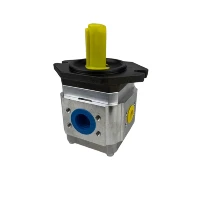
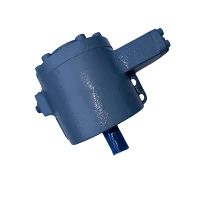
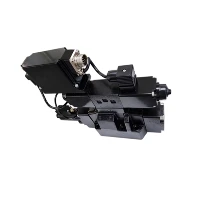
Hydraulic directional control valve is a core control component inside hydraulic circuits. Its main working principle is to shift the position of the internal spool to change the flow path of pressurized hydraulic oil. By switching oil passages, it can start, stop or reverse the movement of hydraulic actuators including hydraulic cylinders and hydraulic motors. It serves as the command center of the whole hydraulic system to realize accurate motion control of mechanical equipment.
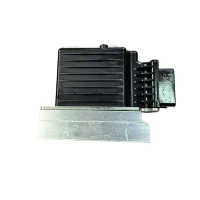
According to different driving modes, directional control valves are divided into solenoid operated type, manual operated type, pilot operated type and mechanically operated type. Different spool configurations such as 2-position 4-way and 3-position 4-way are available to match diverse system logic requirements. These valves feature compact body structure, fast response speed, low internal leakage and strong pressure resistance. Most models can maintain stable switching performance under continuous cyclic operation. With multiple sealing options, they can adapt to dusty, humid and vibration-intensive working environments, and support flexible installation in different hydraulic station and mobile machinery layouts.
Application Scenarios
Hydraulic directional control valves are widely adopted in mobile machinery, industrial automation and special engineering fields that require precise switching and direction control of hydraulic power, covering multiple core industries:
1. Construction Engineering Machinery
This is one of the most mainstream application fields. Hydraulic directional control valves control the telescopic action of booms, buckets and outriggers on excavators, mobile cranes and loaders. Operators can switch the valve spool to adjust the movement direction and start-stop state of each actuator. The reliable switching performance ensures sensitive and stable operation of heavy construction equipment, improving safety and operation flexibility during site work.
2. Mining Machinery Equipment
Hydraulic roof supports, underground drill rigs and mine conveying equipment rely on directional control valves to realize rapid lifting, pushing and clamping actions. The valves are designed to resist heavy impact and thick dust in underground mines. They can withstand frequent continuous switching operations and keep stable control performance, lowering the risk of equipment failure during long-time mining production.
3. Marine And Port Equipment
Port gantry cranes, ship deck winches and marine lifting mechanisms use directional control valves to manage the winding and releasing of steel ropes as well as the tilting of cargo platforms. The corrosion-resistant structure copes with salt spray and humidity near the sea. Smooth spool switching prevents sudden load impact, protecting marine hydraulic systems and guaranteeing safe cargo handling operations.
4. Industrial Automation Machinery
Hydraulic presses, die casting machines and automated material handling stations adopt solenoid directional control valves for automatic program control. The valves receive electrical signals to switch oil circuits accurately, completing clamping, pressing and material ejection actions according to preset procedures. Fast response and high repeat precision help stabilize product quality and raise the automation level of production lines.
5. Agricultural Machinery Equipment
Large tractors, combine harvesters and farmland spraying machines use directional control valves to control the lifting and angle adjustment of farming attachments. Manual or electric control modes can be selected for different operation habits. The valves adapt to bumpy farmland conditions and frequent load changes, helping farmers quickly adjust working tools and improve field operation efficiency.


