
Industrial Hydraulic Pump: Structural Features, Working Performance and Industry Applications
Product Introduction
A hydraulic pump is the fundamental power source of all hydraulic systems, responsible for converting mechanical rotational power into hydraulic pressure energy. By changing the internal volume of the pump chamber during operation, it continuously absorbs and discharges hydraulic oil, providing stable flow and pressure for the entire hydraulic drive system. As a core power component, it directly determines the working efficiency, stability and load capacity of hydraulic machinery.
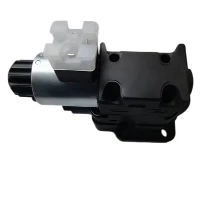
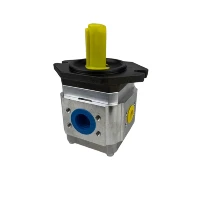
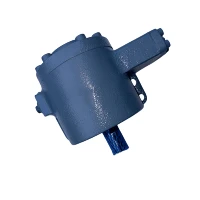
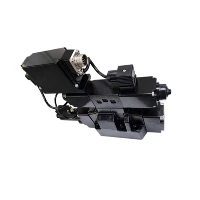
Common hydraulic pump types include gear pumps, vane pumps and piston pumps, each designed for different pressure levels and working scenarios. Gear pumps feature simple structure and strong pollution resistance; vane pumps deliver stable flow and low noise performance; piston pumps support high‑pressure and heavy‑duty operation. All series adopt precision manufacturing techniques, with good pressure resistance, low leakage rate and long service life, adapting to continuous high‑intensity operation in various harsh industrial environments.
Application Scenarios
Hydraulic pumps are widely used in heavy machinery, industrial manufacturing, agricultural equipment, marine facilities and mining engineering, providing reliable power support for diversified hydraulic equipment:
1. Construction Machinery Industry
Hydraulic pumps are core power components for loaders, excavators, road rollers and cranes. They provide stable high‑pressure oil supply for walking, lifting, slewing and hydraulic driving systems, ensuring strong power output and flexible action response during heavy‑load construction operations.
2. Agricultural Machinery Equipment
Used for harvesters, farm tractors, fertilizing and irrigation machinery, hydraulic pumps adapt to complex field environments such as mud, dust and variable loads. They maintain stable hydraulic output during long‑hour field operation and effectively improve the automation level and working efficiency of agricultural production.
3. Marine and Offshore Engineering
With excellent sealing performance and stable pressure output, hydraulic pumps are applied to ship deck machinery, winch systems and offshore auxiliary hydraulic equipment. They resist humidity and load fluctuation caused by marine working conditions, ensuring safe and stable operation of marine hydraulic systems.
4. Industrial Processing Machinery
In industrial workshops, hydraulic pumps support hydraulic presses, forming machines, automated conveying equipment and mechanical fixture systems. With accurate flow and pressure control, they ensure precise and repeated mechanical actions, meeting high‑standard production requirements in mechanical manufacturing and chemical industries.
5. Mining and Tunnel Engineering
Hydraulic pumps are widely equipped on mining drilling rigs, underground conveying equipment and tunnel construction machinery. Featuring dust resistance, high pressure resistance and strong overload capacity, they adapt to narrow, high‑dust and high‑load underground working environments, providing continuous and reliable power for engineering operations.


