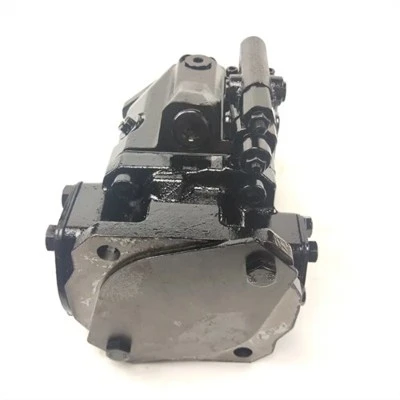
Hydraulic Pressure Reducing Valve: Working Principle, Core Features And Industrial
It reduces the high incoming oil pressure to a stable preset outlet pressure for downstream branches, separating high-pressure main circuits and low-pressure control circuits. With direct acting and pilot operated structures available, it features reliable pressure regulation, small pressure loss and strong shock resistance. It protects precision hydraulic parts from overpressure damage, and is widely deployed in metallurgy machinery, material handling equipment, machine tools and marine hydraulic systems to achieve multi-pressure control and ensure stable and safe equipment operation.
Applications
Sep 28, 2026
Product Introduction
A hydraulic pressure reducing valve is an essential pressure control component within hydraulic systems. Its core function is to lower the high inlet pressure of hydraulic fluid to a preset stable outlet pressure, maintaining constant pressure for downstream hydraulic circuits regardless of fluctuations in upstream pressure or flow. The valve operates through the balance between spring force and hydraulic pressure force. When the outlet pressure exceeds the set value, the spool moves automatically to reduce the flow passage, limiting pressure rise; if the outlet pressure drops below the target value, the passage opens wider to supplement pressure.
There are direct acting and pilot operated types of pressure reducing valves. Pilot operated models are more suitable for large flow and high precision pressure regulation scenarios. This valve boasts stable pressure regulating performance, low pressure loss, strong anti-vibration capability and long service life. It can protect precision hydraulic actuators from damage caused by excessive pressure. It can adapt to continuous operation under various medium temperature and viscosity conditions, and is easy to install and adjust for different system pressure requirements.
Application Scenarios
Hydraulic pressure reducing valves are widely used in hydraulic systems that require separate low-pressure control loops while the main circuit runs at high pressure, covering multiple core industries:
1. Metallurgical Industrial Equipment
In metal rolling machines, steel clamping devices and metal forming hydraulic stations, pressure reducing valves isolate high-pressure main oil circuits and low-pressure control circuits. They keep stable working pressure for clamping and auxiliary actuators, prevent pressure spikes from damaging thin workpieces and precision control parts, and guarantee continuous and stable metal processing production.
2. Material Handling Machinery
Forklift attachments, container spreaders and large pallet lifting equipment often need two different pressure levels. The pressure reducing valve supplies stable low pressure for auxiliary functions such as side shifting and clamping. It avoids overload damage to small hydraulic cylinders, ensures smooth and safe handling of goods, and improves the reliability of logistics handling equipment.
3. Machine Tool Hydraulic Systems
For CNC machine tools, hydraulic punching machines and grinding machines, precise pressure control is critical. The pressure reducing valve maintains steady pressure for workpiece clamping and tool feeding circuits. It keeps consistent clamping force during machining, reduces workpiece deformation, and improves machining accuracy and product qualification rate.
4. Marine Auxiliary Hydraulic Systems
Onboard deck machinery, hatch cover driving systems and ship steering auxiliary circuits adopt pressure reducing valves. They stabilize the pressure of local hydraulic branches under the vibration and load changes at sea. The valves ensure safe operation of ship auxiliary equipment and reduce maintenance frequency in harsh marine working environments.